Do I Need a Smart Home Hub in Singapore? (2026 Guide for HDB, Condo & Landed)
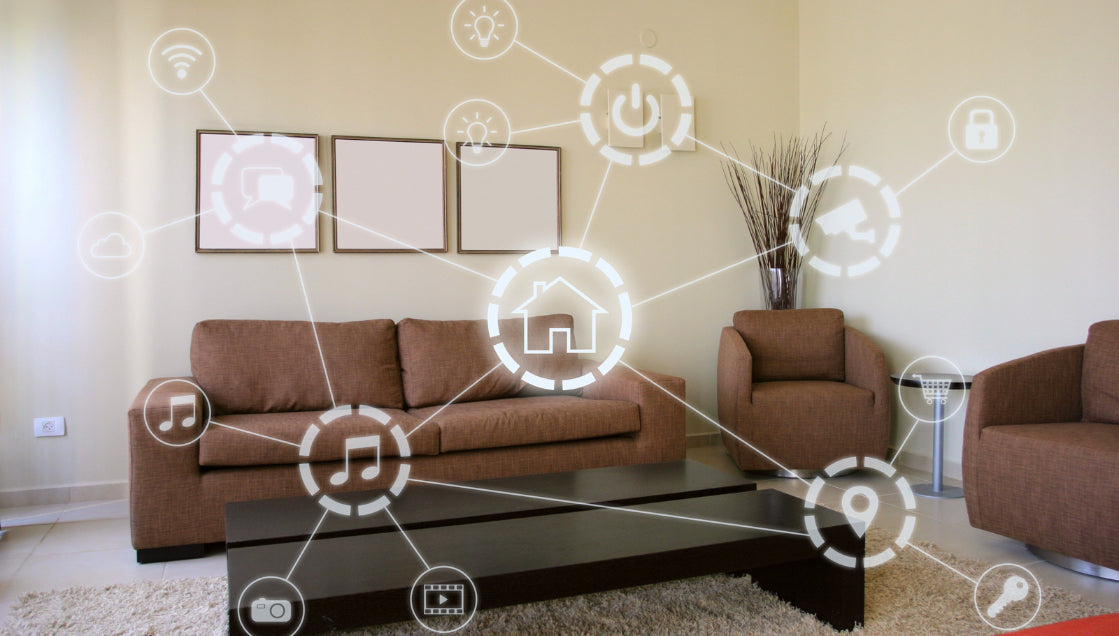
Quick answer: If you only want a few Wi-Fi gadgets like a robot vacuum, a smart plug or a camera, you don't need a hub. Once you're automating a whole home (lights, switches, aircon, curtains, sensors, door lock all working together), yes, you need one. A hub lets your devices talk to each other, runs key automations locally even when the internet drops, and builds a mesh network that copes with Singapore's thick concrete walls.

Hub vs No Hub: The Short Version
| Your setup | Do you need a hub? | Why |
|---|---|---|
| 1-5 Wi-Fi devices (plugs, bulbs, vacuum, camera) | No | Each device connects straight to your router and runs off its own app |
| Voice control only (Alexa / Google / Siri) | Usually no | Your smart speaker handles the basics |
| Zigbee or Z-Wave devices (sensors, switches, Aqara) | Yes | These protocols can't connect to your network without a hub |
| Matter devices | Yes, a Matter controller | Plus a Thread border router if the device runs on Thread. Many smart speakers and hubs have both built in |
| Whole-home automation (scenes, sensors, multiple brands) | Definitely | You need one brain running the house, not 6 apps |
| Developer-bundled condo system | You already have one | Whether it's any good is another question (more below) |
What Does a Smart Home Hub Actually Do?
It's the brain and translator of your home.
Smart devices speak different "languages" (protocols). Wi-Fi devices talk to your router. Zigbee, Z-Wave and Thread devices talk on their own low-power networks and need a hub to connect to anything else.
A good hub does three jobs:
- Translates between brands and protocols, so your Aqara sensor can trigger your Tuya switch and your aircon
- Runs automations locally, so "motion in the hallway at 3am, lights on at 20%" happens instantly instead of going through a server overseas
- Gives you one app instead of a phone full of separate brand apps
When You Don't Need a Hub
Plenty of Singapore homes don't. If you have under 10 devices and no plans to grow, skip it.
If you rent, have a smaller HDB unit, or just want a smart plug for your kettle and a robot vacuum, Wi-Fi devices on their own are fine. Plug in, download the app, done.
Where it falls apart is scale:
- Consumer routers can struggle as the number of Wi-Fi smart devices climbs
- Every device has its own app, cloud account and login
- When your fibre goes down (or the brand's server does), most of them stop responding
That's fine for 5 devices. It's a headache at 40.
When You Do Need a Hub
Renovating, automating, or mixing brands: any one of these means yes.
| Situation | Why a hub is needed |
|---|---|
| Renovating a BTO, resale HDB or new condo | Smart switches, sensors and curtain motors go in during reno. Many popular switches and sensors in Singapore run on Zigbee, and Zigbee needs a hub |
| You want things to happen automatically | Opening an app to switch off a light is a remote control, not a smart home. Door unlocks → hallway lights on → aircon cooling needs one brain that sees every device |
| You care about reliability | A local hub keeps automations between local devices (Zigbee switches, sensors) running when the internet drops. Cloud-only setups don't |
| You're dealing with concrete walls | HDB flats and condos are reinforced concrete, and Wi-Fi hates it. Zigbee and Thread devices form a mesh: mains-powered devices relay the signal to the next one, so the network gets stronger as you add them |
| You're mixing brands | Aqara sensors, a Daikin aircon, Tuya switches, an Igloohome lock. Without a hub, these never talk to each other |
One catch most guides skip: no-neutral switches and battery-powered sensors don't relay the mesh signal. They connect, but they don't extend it. That's a big reason we plan for neutral wiring during renovation.
"But My Condo Came With a Free Hub"
You have a hub. The real question is whether it's the right one.
A lot of new-launch condos in Singapore hand you a smart home hub at key collection. From what we've seen testing these, bundled systems can come with:
- Outdated software
- Locked integrations
- Cloud-dependent connections to popular brands
- Support that stops once you collect your keys, because the developer bought it, not you
They can still work as a bridge to keep the Z-Wave or Zigbee devices you've already paid for alive. But a bridge isn't a brain. (We bought one off Carousell to find out for ourselves. Full story: My Techie Husband Bought Singapore Condo's "Free" Smart Home Hub Off Carousell for $30. Here's What He Found.)
Does Matter Make Hubs Obsolete?
No. Matter makes hubs more open, not unnecessary.
Matter is the new universal standard meant to make devices from different brands work together. It's a big step forward, but:
- Matter devices still need a Matter controller, and Thread devices also need a Thread border router. In practice, that's a hub (or a smart speaker doing the hub's job)
- The spec now covers lights, switches, locks, sensors, blinds, room aircons, robot vacuums and appliances. But real-world support from brands sold in Singapore is still patchy, especially for aircons
- Most Singapore homes will run a mix of Zigbee, Wi-Fi, IR (for older aircons) and Matter for years
Types of Smart Home Hubs in Singapore
| Type | Examples | Good for | Watch out for |
|---|---|---|---|
| Smart speaker / display | Google Nest Hub (2nd gen) / Nest Hub Max, Apple HomePod / HomePod mini, Amazon Echo (4th gen) | Voice control, Matter, Thread | Limited automation, many features cloud-reliant. Echo is only sold as the international version in SG, and stock can be patchy |
| Brand hubs | Aqara Hub, Tuya Zigbee Gateway | Single-brand setups | Locks you into one ecosystem |
| DIY platforms | Home Assistant | Tinkerers who enjoy configuring | You're the IT department now |
| Developer-bundled | Varies by condo | Keeping bundled devices alive | Outdated software, limited support |
| Professionally integrated | Home-A-Genius | Families who want it to just work | Upfront design and install cost |
The Home-A-Genius Take
The hub matters less than how it's set up.
A cheap hub and an expensive hub can both end up as a drawer ornament if nobody designs the system around how your family actually lives.
How we approach it:
- Local Zigbee gateway first, so lights, switches and sensors respond instantly and keep running without internet
- Multi-brand integration, so devices that only support Alexa or Google (some aircons, locks and appliances) get pulled into the same system through virtual integration. Heads-up: these connections run through the cloud, so they need internet to work
- One app, one support line. When something acts up six months in, you call us, not five different brands
Our rule of thumb: fewer than 10 devices and no plans to grow, skip the hub. Renovating, or you want your home to react to you instead of waiting for a tap, a hub is non-negotiable. Plan for it before your electrician starts wiring, not after.
Founder's Take: What I Tell Every Family Who Asks
By Cheryl Chiang, Co-Founder of Home-A-Genius
"Do I need a hub?" is usually the wrong first question. The better one is: what annoys you about your home every single day?
Walking room to room switching off lights. Arguing about who left the aircon on. Turning back at the lift because you can't remember if you locked the door. If those sound familiar, you need a hub, because fixing them means your switches, aircon, sensors and lock have to work together. Gadgets that each run on their own app can't do that.
What most people don't expect: the automations families love most six months in are the boring ones.
- The "Good Night" scene that switches off every light, sets the aircon and confirms the door is locked with one tap
- Bathroom lights at 20% when you stumble in at 2am
- The aircon switching itself off when nobody's in the room
None of these work without a hub in the middle.
I've also seen what happens when the hub is an afterthought. We bought a developer-bundled condo hub off Carousell for $30 just to test it. Software stuck on an old version, add-on store locked, menus confusing enough that even my techie husband got lost. "Free" isn't a feature if it doesn't serve your family.
So my answer is this: the hub is the least exciting part of a smart home, and the most important. Pick one that runs locally, plan it before your electrician starts wiring, and make sure everyone in your family (not just the tech person) can use what's built on top of it. If your mum visiting for CNY can't turn on the living room light, it isn't a smart home. It's a hobby project.
FAQ
Do I need a hub for smart switches in HDB?
If you're using Zigbee switches, which many popular brands in Singapore are, yes. Wi-Fi switches don't need a hub, but they're harder to manage at scale and depend on your home network and internet connection.
Can Google Home, Alexa or Apple Home work as my smart home hub?
Partly. The Nest Hub (2nd gen), HomePod mini and Echo (4th gen) can act as Matter controllers and Thread border routers, and the Echo (4th gen) also has a built-in Zigbee hub. They're great for voice control and simple routines, but limited for whole-home automation across multiple brands.
Will my smart home still work if the internet goes down?
Automations between local devices (like Zigbee switches and sensors on a local hub) keep working. Cloud-connected devices and voice assistants usually won't until the internet is back.
Is a smart home hub worth it for a 4-room HDB?
If you're automating lights, aircon and a few sensors, yes. A 4-room flat is exactly where a hub turns separate gadgets into one system.
Can I add a hub later?
You can, but it's much easier to plan it during renovation, especially for switches. Neutral-wire switches make your mesh network stronger, and that wiring needs to be decided before your walls are closed up.
Planning a renovation and not sure what your home actually needs? Talk to a Home-A-Genius smart home specialist before your wiring is finalised.